Lesson 2.3 – Building a Diverse & Inclusive Library
How stories become mirrors and windows for your child’s growing world.
Books as Mirrors and Windows
The stories we surround our children with shape how they see themselves and how they understand the world.
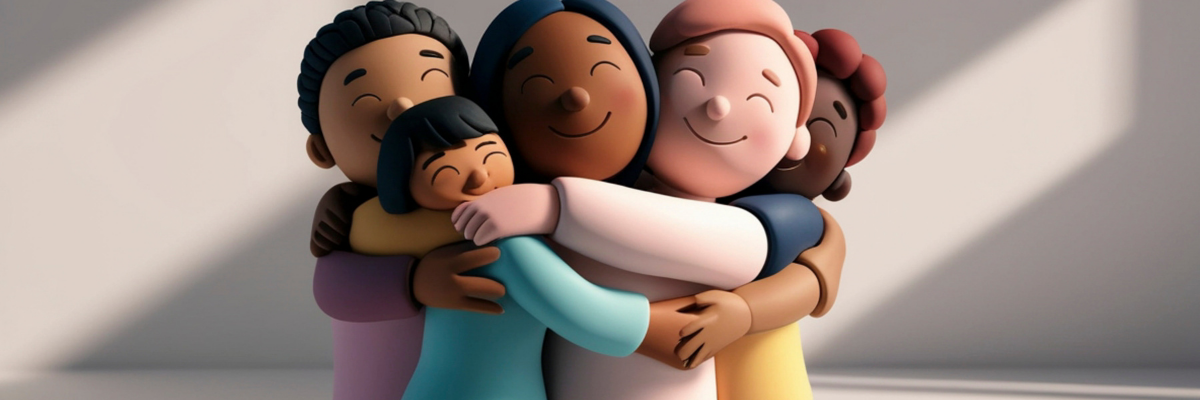
Books can be both mirrors and windows — reflecting a child’s own world while opening respectful views into others. A thoughtfully diverse library helps children build empathy, confidence, and a deep sense of belonging.
Just as the space you read in shapes how your child feels, the stories you choose shape how they see themselves and others.
Words to Remember:
“When children cannot find themselves reflected in the books they read, or when the images they see are distorted, negative or laughable, they learn a powerful lesson about how they are devalued in the society of which they are a part.”
— Rudine Sims Bishop
Every child deserves to see themselves — and others — on their bookshelf.
In this lesson, you’ll learn how to curate a home library that reflects your child’s world while gently opening windows into the lives of others.
Key Points
Mirror & Window Principle
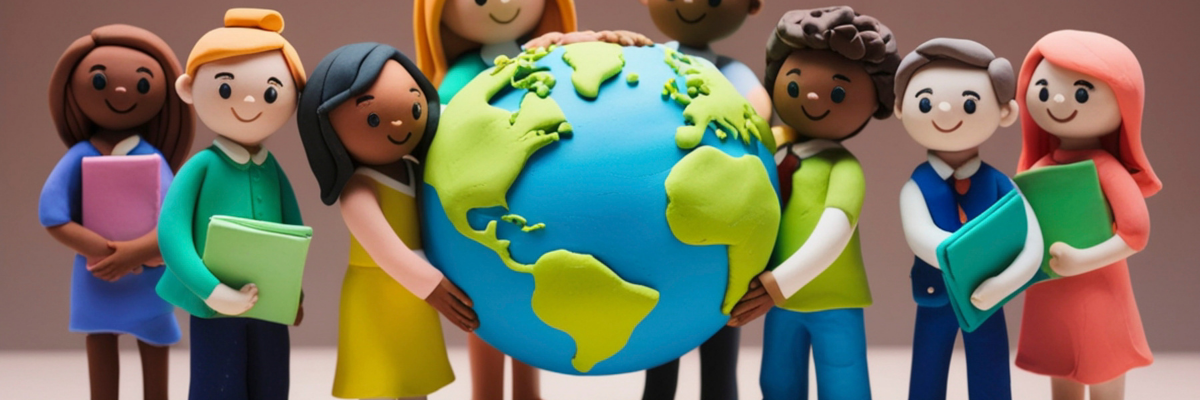
Choose books that help children both see themselves and understand others. Include stories from your own culture alongside ones that explore new traditions and experiences.
Proactive Representation
Make diversity intentional. Include varied races, ethnicities, languages, family structures, abilities, religions, and gender expressions so that no group is an occasional guest on your shelf.
Quality over Tokenism
Look for authentic voices—authors and illustrators who represent the communities they portray. Seek layered, realistic characters rather than simplified “role models.”
Ongoing Curation
Treat your library as a living collection. Rotate books with the seasons, celebrate new releases, and invite your child to help choose which stories to borrow or donate next.
Reflection
Ask yourself:
• Which books on your shelf act as mirrors?
• Which serve as windows?
• Is there a voice, culture, or experience missing that your child might love to explore?
Practice Moment
Visit your local library or bookstore and find one “window” book—something outside your family’s usual experience—and one “mirror” book that celebrates your child’s identity.
Read them side by side and talk about what you each noticed.
Each new story builds empathy, belonging, and understanding—one page at a time.
By weaving diverse stories into daily reading, you model openness and respect while giving your child language to talk about differences with curiosity and kindness.
The stories we share shape the stories our children will tell about themselves and the world.